Skull Gentleman T Shirt Design: A Designer's Take
There is something instantly memorable about a design that refuses to take itself too seriously while still demanding a second look. That was my first thought when I pulled up Skull Gentleman T Shirt Design on my screen. It carries the kind of visual personality that makes you pause mid-scroll—equal parts macabre and dapper, which is not an easy balance to strike. The artwork arrived as promised in Ai and SVG formats with full color workspaces at 300dpi resolution, clean and ready for digital printing or screenprinting workflows. But my mind almost immediately wandered past the screen and toward thread, fabric, and the hum of an embroidery machine. Could this design hold its own when translated from ink to stitch? That became the real question worth answering.
As someone who has spent years testing and reviewing designs across apparel decoration methods, I have learned that a strong graphic does not always make a strong embroidery candidate. Some designs beg for simplification. Others need rethinking entirely. Skull Gentleman T Shirt Design, however, possesses structural qualities that make it genuinely interesting for crafters and small business owners who work in mixed media or who want a striking reference for custom digitizing. The composition feels intentional, with a clear focal point and enough breathing room around the main subject to avoid the cramped, cluttered look that plagues so many off-the-shelf graphics. That breathing room matters enormously when you start thinking about placement on a sweatshirt chest, a tote bag panel, or the crown of a cap.
The Mood This Design Brings to a Project
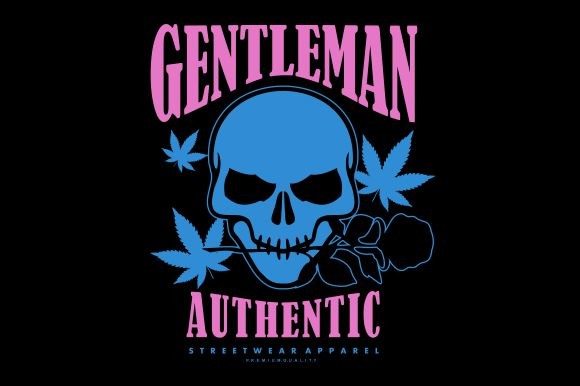
What struck me first was the personality embedded in the artwork. A skull rendered with gentlemanly details immediately shifts the tone of whatever product it lands on. It is not overtly spooky or gothic, which broadens its appeal beyond Halloween-specific merchandise. Instead, it leans into a playful sophistication that could sit comfortably on a boutique apron, a bar towel, a custom patch for a denim jacket, or even a nursery item if you have a client with eclectic taste. That versatility is worth its weight in thread when you are building out a product line for a craft fair or populating an Etsy shop with items that need to catch attention fast.
I found myself imagining this design on a heavy canvas tote bag, the kind with sturdy straps and a structured base. Stitched out in a muted charcoal thread against natural cotton, the skull gentleman would read as understated but intentional—exactly the sort of detail that makes a customer pick up a handmade product and feel they have found something with character. That is the emotional hook good embroidery design provides. It is not just decoration. It is the reason someone chooses your product over a mass-produced alternative.
A Real Project Walkthrough That Tells the Real Story
Let me share a specific scenario that ran through my head while evaluating Skull Gentleman T Shirt Design. A regular client of mine runs a small batch apparel label focused on conversation-starting pieces. She recently asked me to develop a limited run of embroidered sweatshirts for a winter market, something with a vintage apothecary or curiosity shop feel. I pulled open my design library and started sifting through options. This particular artwork caught my eye because the gentleman skull motif could anchor an entire collection—think embroidered sweatshirt fronts, matching woven labels, and coordinating patches for tote bags.
Since the provided files are vector artwork meant for digital printing and screenprinting, I would need to have the design professionally digitized for machine embroidery. That is not a drawback. It is simply part of the workflow most embroiderers know well. The high resolution and clean workspace organization in the Ai and SVG files make the digitizing process significantly smoother. There is no guesswork around edges or awkward color transitions to clean up. Starting from crisp vector art typically yields a better stitch file than starting from a low-resolution raster image, so the 300dpi spec here is genuinely useful even for embroiderers who will convert the artwork into an embroidery file.
I ran a mental test: If this were digitized for a left-chest placement on a sweatshirt, would the key details survive the stitch process? The top hat silhouette, the subtle facial contours that give the skull its gentlemanly expression, the linework that defines the character—these are the elements that cannot disappear into a mess of dense stitching. With careful attention to stitch density and a skilled digitizer who knows when to use satin stitch versus fill stitch versus strategic running stitch outlines, I believe the core personality would translate beautifully. The design has enough contrast built into its composition to read clearly even when simplified to a three or four thread color palette.
Where This Design Shines Brightest
After sitting with the artwork for a while and mentally placing it on various products, I started forming a clear picture of its strongest applications. Skull Gentleman T Shirt Design belongs on products where a touch of wit and edge adds value rather than limits the audience. Here are the projects that kept coming to mind:
- Custom embroidered patches for jackets, backpacks, and hat brims—the gentleman skull motif has a timeless quality that patch collectors gravitate toward
- Boutique aprons for baristas, bartenders, or home cooks who appreciate offbeat kitchen style
- Tote bag designs that need to stand out at markets without feeling trendy or disposable
- Sweatshirt and hoodie embroidery for small clothing brands building a recognizable visual identity
- Pillow covers and home decor items with a moody, eclectic aesthetic that appeals to a specific but loyal customer base
- Tea towels and kitchen textiles for gift lines that target shoppers looking for something beyond generic patterns
- Cap embroidery where the design can be scaled to fit the front panel without losing readability
For Etsy sellers and craft business owners, this design opens up product categories that go well beyond the standard t-shirt. A finished product featuring this artwork carries an inherent sense of curation. It signals that the maker thought about the design, selected it deliberately, and paired it with a product that makes sense. That perception of care translates directly into customer trust and willingness to pay a premium for handmade product quality.
The Honest Conversation About Limitations
No design works everywhere, and pretending otherwise does a disservice to fellow makers. Skull Gentleman T Shirt Design deserves an honest assessment of where caution is warranted. Small hoop sizes present the most obvious challenge. If you are working with a 4x4 inch hoop on a home embroidery machine, the facial details that give the gentleman skull its character will likely become muddied. This is not a design flaw. It is simply a matter of scale. The artwork wants room to breathe, and cramming it into a tiny embroidery area will strip away the nuance that makes it special.
Textured fabrics also require extra thought. A heavily napped sweatshirt fleece or a loosely woven linen can swallow fine stitch details, which means portions of the design may need to be simplified or outlined more aggressively than they would on a smooth cotton substrate. Similarly, stretchy fabric demands proper stabilizer choices and possibly a slightly adjusted stitch angle to prevent distortion during wear and washing. Dark fabric backgrounds raise contrast questions—if the skull design relies on dark tones for its gentlemanly attire, those areas could disappear against a black or charcoal garment unless thread colors are adjusted thoughtfully.
Curved surfaces like cap crowns introduce distortion that can warp proportions. A design that looks perfectly balanced on a flat sweatshirt panel might appear stretched or compressed when applied to a structured cap. Testing placement on the actual product before committing to a production run is not optional here. It is essential. I would also avoid using this design on baby clothes or nursery decor without first considering how the skull motif will be received by your specific customer base. Some markets embrace the aesthetic wholeheartedly. Others will not. Know your audience.
Thread Choices That Make or Break the Finished Look
One of the exercises I always perform when evaluating a new design is imagining it in different thread color combinations. Skull Gentleman T Shirt Design responds remarkably well to monochromatic treatments. A single-color version in antique gold on a deep navy background could look almost regal. A tone-on-tone approach using matte black thread on a black garment creates a subtle, embossed effect that upscale buyers often appreciate. For a bolder statement, high-contrast pairings like crisp white on charcoal or burgundy thread on cream fabric lean into the design's dramatic potential without overwhelming it.
If you decide to use the design as a reference for applique design work, where fabric pieces are layered and stitched down to build the image, the gentleman skull concept opens up wonderful textural possibilities. A tweed or houndstooth fabric for the top hat, a smooth cotton for the skull itself, and perhaps a velvet or satin for accent details—these material choices elevate the finished product into something that feels genuinely artisanal. This is the kind of thinking that separates forgettable merchandise from products customers keep and cherish.
Practical Workflow Notes for Embroidery Designers
Before committing this design to any production run, there are several steps I would strongly recommend taking. These come from experience, and they apply whether you are a solo maker working from a home studio or a small shop producing commercial embroidery orders.
- Test on scrap fabric first. Always. The first stitch-out should never be on the final product. Use a fabric that matches your intended substrate in weight and texture.
- Check thread color contrast under real lighting. Colors that look distinct on a screen can blend together under warm indoor light or bright booth lighting at a craft fair.
- Review stitch density with your digitizer and request a sew-out sample before approving the final embroidery file. Overly dense stitching creates a stiff, uncomfortable patch on wearables.
- Confirm hoop size compatibility. Measure the digitized design dimensions and ensure they fit comfortably within your available hoop range with enough margin for proper stabilizer hooping.
- Inspect small details at actual size. Zoom in on the digitized preview and look for narrow columns, tiny gaps, and thin outlines that may not stitch cleanly.
- Test the design in black and white. A quick grayscale mockup reveals whether the tonal structure holds up when color is stripped away. This matters for customers who view your product photos on monochrome screens or in dimly lit online browsing conditions.
- Compare light and dark fabric backgrounds. What works on a natural canvas tote may disappear on a black hoodie. Run side-by-side comparisons.
- Use proper stabilizer for your fabric type. Cutaway for knits, tear-away for wovens, and consider a topping film for plush or textured surfaces to prevent stitches from sinking in.
- Verify licensing terms before selling. The product description states the artwork can be used for digital printing and screenprinting and encourages buyers to enjoy it. If you plan to sell finished items or incorporate the design into digital product offerings, printable mockup previews, or design assets for clients, confirm that your intended use aligns with the included license. Do not assume. Check.
How Customers Will Actually Respond
Over the years, I have learned to read a design not just for its aesthetic merit but for its marketability. Skull Gentleman T Shirt Design occupies a sweet spot that many small shop product lines overlook. It has enough edge to attract buyers who want something different from the sea of floral and script designs flooding the market, yet it is polished enough to avoid alienating customers who do not typically gravitate toward skull imagery. The gentleman framing softens the motif. It adds a narrative layer. That narrative—the dapper skeleton, the refined undead, the skull with standards—gives customers something to smile about, and a smiling customer is far more likely to complete a purchase.
For personalized gift projects, this design creates an excellent foundation. I could easily see it paired with a recipient's name or a short phrase stitched in a complementary font beneath the main graphic. A holiday gift version might incorporate subtle seasonal accents without losing the core design identity. The key is that the artwork does not demand the viewer understand a niche reference. It works on its own visual terms, which is essential for buyer engagement in crowded online marketplaces where you have seconds to make an impression.
The Graphic Templates Advantage for Mixed-Media Makers
While Skull Gentleman T Shirt Design falls under the Graphic Templates category and is classified as Graphics, its usefulness extends well beyond the screenprinting and digital printing applications described in the product listing. Many embroidery designers I know work across multiple decoration methods. A single design might appear as a screenprinted t-shirt in one collection, an embroidered patch in another, and a digital embroidery file preview in a third. Having the artwork in clean vector format with full color workspaces means you can use it for mockups, client presentations, and marketing materials even if the final embroidery project involves a simplified or reinterpreted version of the graphic.
This cross-medium flexibility adds real value for creative entrepreneurs and apparel decorators who need to show cohesive branding across product types. A boutique branding client might want this design embroidered on caps, printed on hang tags, and featured in social media graphics. Starting from one well-organized source file keeps everything visually consistent, which strengthens brand consistency and makes your work look intentional and professional.
Final Thoughts Woven Into the Fabric
Evaluating Skull Gentleman T Shirt Design from an embroidery perspective has been a genuinely useful exercise because it forced me to think beyond the obvious. This is not just a t-shirt graphic. It is a design with enough structural clarity, personality, and compositional balance to warrant serious consideration for stitched applications, provided the maker puts in the necessary prep work. The files are clean, the resolution is solid, and the concept is strong. Whether it ends up on a sweatshirt, a tote bag, a patch, or a custom apron, the finished embroidery has the potential to stop a browsing customer and make them reach for the product.
The real work, as always, happens between the design file and the final stitch. Digitize thoughtfully. Test thoroughly. Choose your substrates and threads with intention. If you do that, Skull Gentleman T Shirt Design can become the kind of signature graphic that customers associate with your brand and come back to find again. And in a market full of forgettable decoration, being remembered is the whole point.