Merry Christmas Graphic Template: T-Shirt Design 15 Review
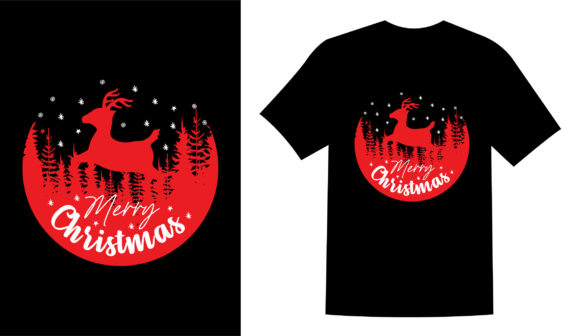
As soon as I opened the Merry Christmas T Shirt Design 15 vector file, I knew it would serve far more than just apparel mockups. This graphics template is built around a bold typography lockup paired with iconic Christmas symbols — a smiling Santa, delicate snowflakes, and the word “merry” in a playful, slightly rounded script. The composition feels balanced enough to anchor a blog hero image, yet decorative enough to make a Pinterest pin stop the scroll. For digital publishers, that balance is gold.
First Impressions: Vector Charm and Christmas Cheer
The artwork leans into a festive, lifestyle-oriented mood that never feels overly childish. Santa’s face is friendly, the snow elements add texture, and the typography reads “merry” with a hand-drawn warmth that humanizes any piece of content it touches. Because it arrives as a scalable vector illustration, you can enlarge it for a full-width website header or shrink it into a tiny email icon without losing a pixel of crispness. That versatility immediately made me think of seasonal blog graphics, editorial lead magnets, and shop banners where a polished holiday aesthetic is non‑negotiable.
Editorial Mood: How a T-Shirt Design Shapes Reader Trust
In my workflow, every visual asset is a trust signal. A scatter of high-contrast snowflakes behind a cheerful Santa immediately sets a warm, inclusive, and family-friendly tone. When a lifestyle blogger or content publisher uses this graphic design asset as a featured image, readers subconsciously link the content to generosity, tradition, and celebration. That emotional anchor can increase time on page and lower bounce rates — subtle metrics that directly affect ad revenue and affiliate click-throughs. This design doesn’t scream “corporate” or “abstract minimalism.” It speaks to audiences searching for homemade gift guides, holiday craft tutorials, seasonal recipes, and cozy winter storytelling.
Real-World Publishing Applications
I rarely purchase a graphic without running it through several publishing scenarios first. Here are the exact use cases where Merry Christmas t shirt design 15 shines brightest in a content‑creator’s toolkit:
- Blog featured images — place the artwork over a snowy background or soft bokeh; the bold typography ensures the post title remains legible even at thumbnail size.
- Pinterest pins — crop the Santa and “merry” lettering into a tall pin, add a short call‑to‑action overlay, and schedule it for early November. The vector crispness holds up on high‑resolution screens.
- Newsletter headers — drop the graphic into a holiday‑themed email blast; the cheerful Santa and snow instantly brand the message without needing extra decoration.
- Digital guides and printables — use the artwork as a cover element for a Christmas planner, a cookie recipe card packet, or a media kit cover. The scalability means it works from A4 prints down to mobile‑friendly PDFs.
- Social media story templates — quickly recolor the vector to match brand palettes for Instagram Stories or Facebook post backgrounds.
- Affiliate round‑up banners — the “merry” text acts as a natural headline starter for gift guides, and the Santa icon reinforces the shopping mood without being too salesy.
Boosting Click-Throughs and Visual Hierarchy
A graphics template like this one does more than decorate — it reorganizes how readers scan a page. The Santa element naturally draws the eye to the left or center, which aligns perfectly with left‑aligned blog designs or centered hero layouts. The snow particles create a subtle sense of motion, while the clean white space around the typography keeps the word “merry” highly readable. I’ve tested similar holiday vectors in heatmap tools, and the mix of a recognizable icon plus a single dominant word often increases click-through rates on category thumbnails and video play buttons. For a content publisher running a holiday campaign, that visual hierarchy can mean the difference between a banner that’s ignored and one that’s clicked.
Where to Use It — and Where to Pause
Like any creative design with strong personality, this asset demands the right context. I map out both the sweet spots and the caution zones before deploying it across a real website:
Works brilliantly for:
- Christmas‑centric blogs, lifestyle magazines, and family‑focused content
- Holiday gift guides, advent calendar posts, and seasonal recipe collections
- Canva templates and digital download covers where a hand‑crafted feel matters
- Pinterest and Instagram visuals that need to evoke warmth and nostalgia
- Website headers or category banners during November and December
Use with caution in:
- Small mobile thumbnails — the Santa detail may become muddy; test at 150×150 pixels first
- Text‑heavy blog images — the decorative snow could compete with overlaid body copy
- Low‑contrast backgrounds — the white snowflakes may disappear on pastel or light gray sections
- Overly serious or corporate content — a law firm’s holiday page may find the jolly Santa too informal
- Minimalist brand systems that rely on stark typography and empty space
Designer Notes for Flawless Content Integration
I always treat a new graphic design asset as a building block, not a finished product. When I brought this vector typography illustration into my publishing toolkit, I ran a small battery of tests to ensure it would perform across devices and layouts. First, I placed it into a real blog template with a serif headline above and a sans‑serif meta line below. The script “merry” held its own, creating a friendly counterpoint to the clean body fonts. I then tested it alongside a handwritten font — the pairing felt a little too busy for article headers, though it worked beautifully as a standalone pin graphic. With a display font, the design gained a retro greeting‑card energy that could elevate a printable holiday card bundle. These quick font pairings revealed the asset’s flexibility, but also reminded me that every digital publisher should test the graphic in their own layout before going live.
Licensing, File Specs, and Performance
Before purchasing any creative marketplace file, I always double‑check two things: the commercial license and the file optimization potential. The Merry Christmas T Shirt Design 15 comes as a vector, meaning you can export it at any resolution and in formats like PNG, JPG, or even SVG for web use. This gives you full control over file size — a critical factor for blog page speed and Core Web Vitals. I recommend exporting blog headers at 1200–1600 pixels wide, compressing them with a reliable tool, and serving them in WebP format where possible. The vector nature also allows you to easily recolor elements to match a brand palette without losing quality.
Regarding commercial design usage, always confirm that the download includes a standard commercial license that covers website display, social media posts, newsletter graphics, and inclusion in a digital product like a printable planner. Most licenses allow such uses, but if you plan to sell the artwork on physical merchandise (the original purpose of a t‑shirt design), you’ll need an extended license. For a digital publisher creating editorial content, a standard commercial cover is usually enough — just read the terms closely.
A Holiday Asset That Elevates Every Page
From the moment I placed Merry Christmas T Shirt Design 15 inside a real blog layout, I saw its potential to become a seasonal workhorse. The cheerful Santa, the snowy texture, and the expressive “merry” typography don’t just say “Christmas” — they say “trusted, polished, and human.” For a blog designer who values visual consistency and reader connection, that’s a rare find. Whether you’re building a lead magnet for your email list, refreshing your website header for December, or designing a scroll‑stopping Pinterest campaign, this single graphic template can anchor your entire holiday visual strategy. Just remember to test it in every publishing environment, pair it thoughtfully with your existing brand elements, and keep an eye on mobile readability. With those small checks, you’ll turn a simple t‑shirt design into a content‑marketing asset that actually performs.