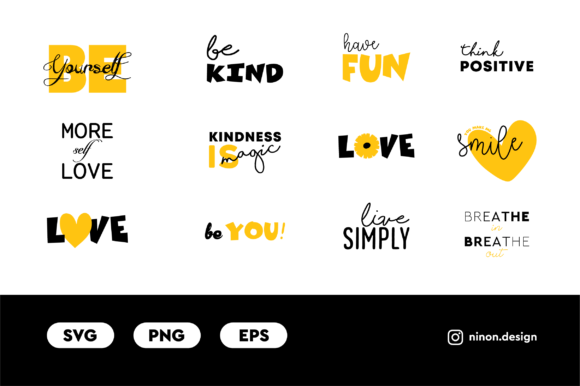
Bundle T-shirt, Mug, Hoodie, Bag: Graphics Template Review
I unpacked the Bundle T-shirt, Mug, Hoodie, Bag with a specific client in mind: a small-batch candle and soap maker preparing for an autumn craft fair. They needed merch that felt handcrafted, warm, and cohesive across t‑shirts, ceramic mugs, hoodies, and cotton tote bags. As a graphic designer who regularly works with commercial design assets, I’m often skeptical of all‑in‑one bundles, but this graphic template set immediately stood out with its charming, artisan personality. The vector digital files are built for print on apparel, drinkware, and accessories, yet the visual language told me they could stretch much further.
A Real Client Project That Put These Designs to the Test
The client wanted a fall collection featuring delicate botanical line art, coffee motifs, and a touch of whimsy—exactly the aesthetic this bundle delivers. I chose four SVG designs from the pack: a wreath of oak leaves and acorns, a steaming mug with floral accents, a stylized pumpkin with script lettering, and a circular badge for the tote bag. These graphics became the backbone of a unified brand moment: the same leaf motif appeared on the hoodie chest print, the mug wrap, and the t‑shirt sleeve, while the pumpkin dominated the tote front. Because the illustrations share a common stroke weight and organic rhythm, they felt like a custom collection rather than scattered clipart.
Handling the Vector Files and Print Preparation
The download included clean SVG and transparent PNG files—exactly what a professional design workflow demands. Opening the SVGs in Adobe Illustrator, I found well‑named layers and a disciplined number of anchor points that made re‑coloring, scaling, and combining with custom typography a fast, frustration‑free process. The PNGs arrived with crisp anti‑aliased edges and no white background residue, which is critical when placing a design over dark apparel in product mockups or sublimation layouts.
I stress‑tested the artwork at extremes: a 12‑inch‑wide hoodie back print and a 2‑inch‑tall mug emblem. At both sizes, the line weight stayed readable and the details didn’t collapse. For a friend’s Cricut project, I exported a DXF from the original SVG; the cut path registered perfectly for heat‑transfer vinyl, with no broken lines or double‑cut artifacts. These are vector digital files that hold up under real production conditions—not just screen display.
Where the Graphics Deliver Maximum Impact
These illustrations thrive in large, uncluttered layouts. As hero graphics on t‑shirt fronts or hoodie backs, they create an immediate emotional hook. On a natural‑canvas tote bag printed with bold espresso‑brown ink, the wreath design looked like high‑end boutique merchandise. I also leveraged the transparent PNGs as decorative accents in the client’s Instagram stories and Canva templates—layered softly over product photos, they added depth without fighting for attention. In packaging design, the circular badge became a wax seal‑style sticker that unified the soap box line.
- Main apparel prints: t‑shirt design, hoodie centerpieces, and tote bag panels.
- Product mockups: scale the graphics to dominate a hero shot.
- Packaging details: use the SVG design as a foil‑stamp or sticker.
- Social media graphics: place the PNG as a transparent overlay for cohesive brand visuals.
- Decorative brand marks that repeat across a product collection.
When to Pull Back and Adapt
The hand‑drawn style has a few predictable limits. At thumbnail dimensions—like a 120‑pixel website icon—the fine vine details become muddy and lose their recognition. I wouldn’t recommend these for tiny embroidery on cap brims or intricate laser‑engraved pen details, where the stroke would fill in. If your brand identity leans starkly corporate or ultra‑minimal geometric, this bundle’s organic, slightly imperfect strokes can feel out of place and undermine visual hierarchy. Similarly, avoid placing these line‑art graphics over busy, high‑contrast photographic backgrounds; the delicate outlines quickly lose legibility and spoil the overall design rhythm.
- Avoid print‑on‑demand labels smaller than 1.5 inches.
- Skip fine‑detail embroidery or thin‑line engraving.
- Don’t force these into a rigid corporate branding system—they need breathing room.
- Stay away from low‑contrast screen prints on heavily textured fabrics.
- Limit crowd‑packed poster layouts; the art needs space to communicate.
Building Brand Consistency and Emotional Connection
Using the same graphic family across multiple products immediately tightened the client’s visual hierarchy. The repeating leaf motif on the t‑shirt, mug, and hoodie created a recognizable pattern that made the fair booth display feel curated, not chaotic. The audience responded: customers gravitated toward the cohesive set, and online, the campaign’s engagement rose because the designs told a single, warm story. The illustration style—slightly rustic, human‑centered—softened the brand voice, making the handmade business feel more approachable and trustworthy. For a small business owner building brand identity from scratch, that emotional consistency is priceless.
A Designer’s Practical Checklist Before Commercial Use
Before handing final files to any client, I run a battery of tests. With this Bundle T-shirt, Mug, Hoodie, Bag, those checks confirmed a reliable, production‑ready asset. Here’s what I verify every time:
- Black‑and‑white contrast: strip the color and ensure the line art still reads clearly.
- Light and dark backgrounds: test the PNG on both extremes; transparency must be clean with no haloing.
- Real mockup placement: place the graphic on actual product photos at the intended size to judge scale and impact.
- Print a physical sample: run a test on ceramic, cotton, or tote material—what looks good on screen can shift in ink.
- SVG editability: open, ungroup, recolor, and simplify; the file structure should support custom tweaks.
- Font pairing: I matched these graphics with a clean geometric sans for product names and a light italic serif for taglines. Script and display fonts can compete with the illustration’s own personality, so keep typography restrained.
- License confirmation: verify that the commercial license covers print‑on‑demand, unlimited physical products, and client use—this is non‑negotiable for professional work.
Cricut, Sublimation, and Canva — A Flexible Cross‑Platform Asset
What surprised me most was how smoothly this graphic design asset moved between different creative ecosystems. I imported the PNGs into Canva to build self‑service templates for the client’s team, who can now customize social graphics without needing a designer. The SVG originals worked natively with Cricut Design Space; after a quick resizer, we cut adhesive vinyl for packaging stickers and iron‑on decals for tote bags. For sublimation design, the vector paths handled a 400°F transfer onto a ceramic mug without distortion, preserving the delicate leaf tips perfectly. Whether you’re an Etsy product seller, a print‑on‑demand entrepreneur, or a professional branding studio, this bundle reduces the friction of converting digital vision into physical merchandise.
Why This Graphics Template Makes Sense for Modern Marketing Visuals
Beyond merch, the Bundle T-shirt, Mug, Hoodie, Bag proved its worth in editorial and web design. The illustrations added a hand‑drawn editorial touch to the client’s blog graphics and Pinterest pins, making seasonal content feel more curated. In email headers and digital ads, the transparent PNGs acted as supporting brand elements that didn’t overwhelm the messaging. This kind of modular graphic template fits neatly into a larger marketing toolkit—pull a mug icon for an announcement, the wreath for a thank‑you card, the pumpkin for a limited‑edition badge. For a small business branding team, that reuse saves time and preserves consistency across touchpoints.
Final Thoughts from a Working Designer’s Desk
The Bundle T-shirt, Mug, Hoodie, Bag is not a massive, everything‑for‑everyone design bundle. It commits to a specific, likeable aesthetic and executes it with polished vector craftsmanship. The files are clean, the commercial license is straightforward, and the emotional appeal aligns squarely with the current hunger for authentic, human‑centered visuals. I’ve already recommended it to two other clients planning seasonal product launches. If your project needs warm, artisan graphics that look equally at home on a hoodie, a ceramic mug, or a kraft‑paper sticker, this graphic design asset earns its place in your creative marketplace toolkit. Use it with intention, test it on real substrates, and it will lift a range of commercial design projects from simple to memorable.